


The Unrivaled Recyclability: International Standards and Commercial Advantages of Aluminum Foil Containers
Global Standards and Advantages of Aluminum Foil Containers
.jpg)
Aluminum foil containers (AFCs) are essential for specific food service needs, offering unparalleled performance in heat tolerance, barrier protection, and, most importantly, infinite recyclability. For B2B buyers, understanding the global standards governing AFCs ensures compliance, maximum recycling rates, and the best return on investment.
1. Material Advantage: Infinite Circularity
Unlike multi-layer plastics or even fiber-based products, aluminum offers a closed-loop recycling system with zero material loss.
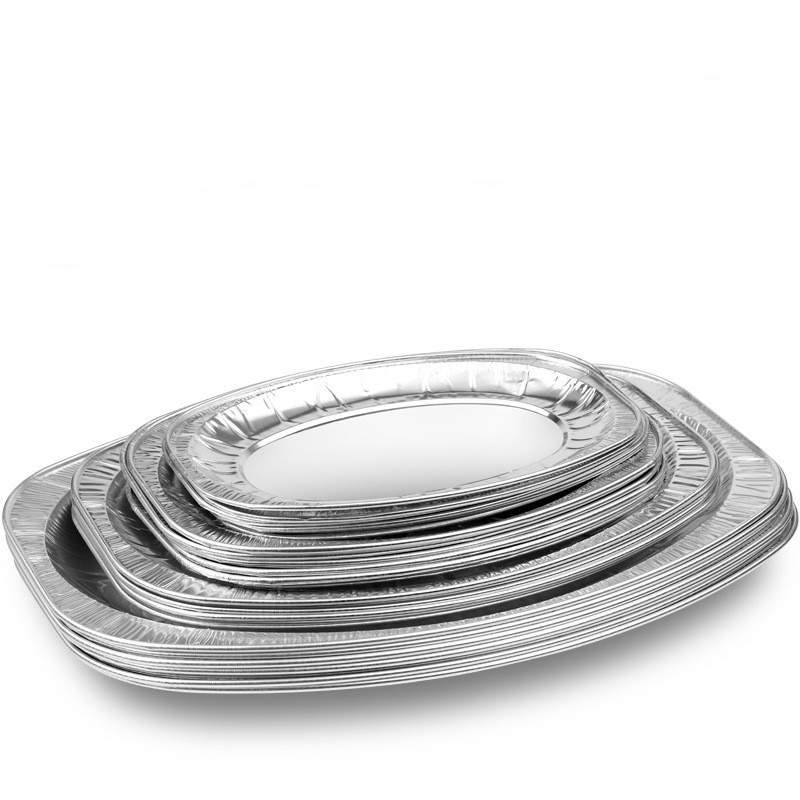
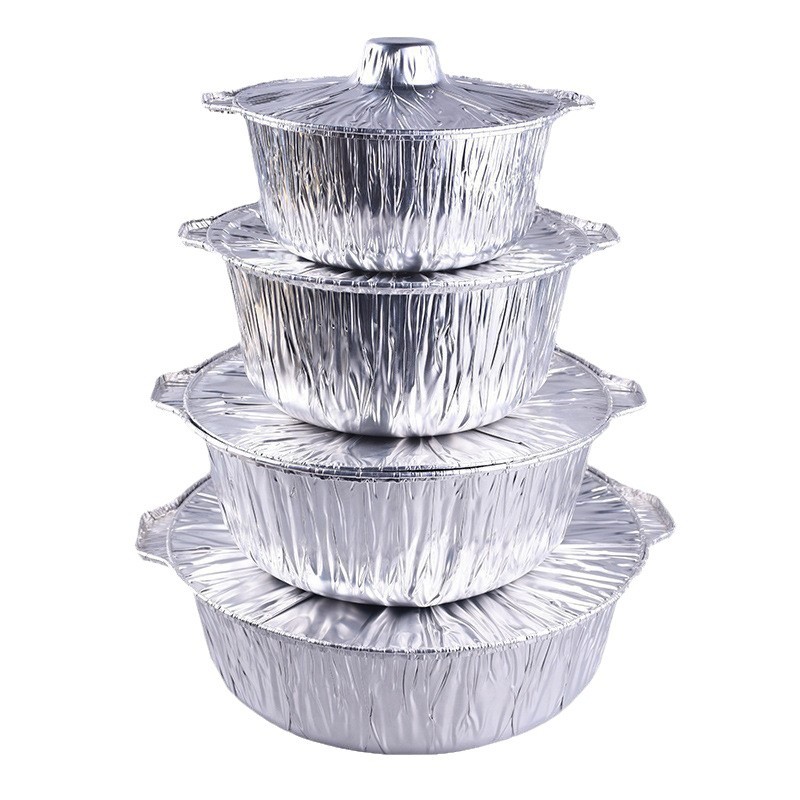
Recycling Rate: Aluminum is one of the most valuable materials in the waste stream. The recycling rate for aluminum packaging is exceptionally high globally (often >70% in the EU), and the process requires up to 95% less energy than producing primary aluminum.
Recycled Content: Our AFCs can incorporate a significant percentage of Post-Consumer Recycled (PCR) aluminum, further reducing the embodied energy and carbon footprint of the product, a critical metric for client Scope 3 reporting.
2. Food Safety and Chemical Compliance Standards
Aluminum's use as a food contact material is governed by specific, rigorous standards to ensure safety under extreme thermal conditions.
EU Regulation Compliance
AFCs comply with the requirements of EU Regulation 1935/2004 regarding food contact materials. We ensure the purity of the alloy (typically 8000 or 3000 series alloys) and manage any necessary internal coatings to prevent corrosion from acidic or salty foods.
Heavy Metal Assurance
Our aluminum suppliers provide documentation guaranteeing low levels of heavy metals and adherence to strict limits on elemental migration, maintaining compliance with both FDA and EU food contact standards.
Barrier Protection
Aluminum foil provides an absolute barrier to moisture, oxygen, light, and microorganisms, significantly extending the shelf life and quality of food, making it ideal for frozen and chilled meal kits.
3. Operational and Commercial Advantages
AFCs offer key operational benefits that often justify the material cost premium, particularly in high-volume catering.
Dual-Oven Use
AFCs are safely usable in both conventional ovens and microwave ovens (when proper guidelines are followed, such as avoiding contact with metal walls). This versatility is unmatched by any paper or plastic-based disposable.

Thermal Stability
The high thermal conductivity of aluminum allows food to be rapidly heated or cooled. Once hot, the container's thermal mass helps sustain heat during delivery better than fiber or plastic.
Nesting and Storage
AFCs are lightweight and designed for deep nesting, maximizing units per carton and minimizing warehouse space requirements.
4. Addressing Public Perception and Safety
We provide verified data to address common misconceptions about aluminum safety.
Microwave Safety Data
Contrary to myth, small aluminum containers are generally safe in modern microwaves when they do not touch the oven walls. We provide clear usage guidelines, citing data from organizations like the Aluminum Association, to reassure B2B clients and end-users.
In summary, aluminum foil containers represent a high-performance, sustainable, and compliant choice for professional foodservice. Their infinite recyclability, strict adherence to global safety standards, and superior operational benefits make them an intelligent investment for businesses aiming for efficiency, safety, and environmental responsibility.